 Reviews


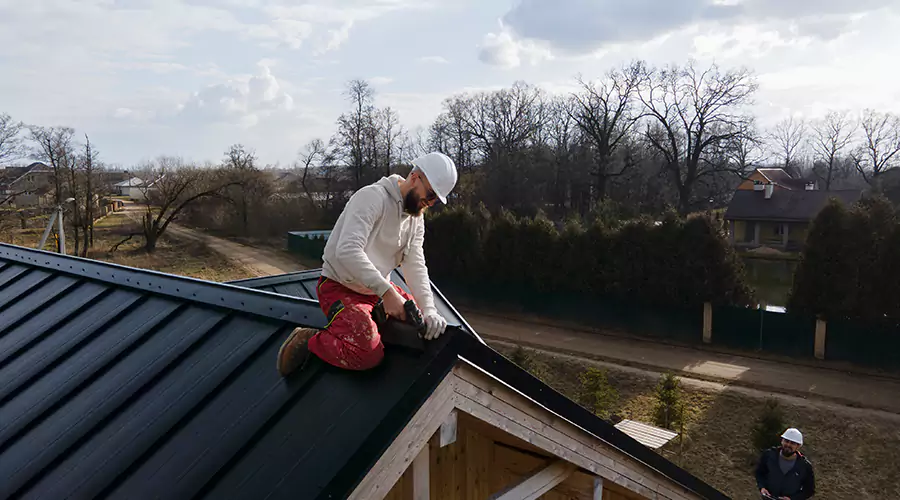
Heavy rain and strong wind can put a lot of stress on a roof, especially if small weaknesses are already present. Many homeowners do not think about roof preparation until after a storm has caused visible damage, but taking a few preventive steps ahead of time can make a big difference. A roof that is checked and maintained before severe weather arrives is more likely to hold up well and less likely to develop leaks, loose materials, or costly repair issues.
Preparing your roof for harsh weather is not about making major changes every season. In many cases, it comes down to identifying vulnerable areas early, keeping drainage systems clear, and making sure the roof is in solid condition before rain and wind test it. In this guide, we will explain how to prepare your roof for heavy rain and wind, what warning signs to watch for, and why preventive care helps protect both your home and your budget.
Why Roof Preparation Matters Before Severe Weather?
Your roof is your home’s first line of defense during storms. When heavy rain and wind arrive, any weak point on the roof becomes more likely to fail. A loose shingle may lift completely. A small flashing gap may allow water in. A clogged gutter may cause water to back up under the roof edge, requiring emergency roof repair.
Preparing ahead of time can help you:
- Reduce the risk of leaks during storms
- Protect the roof from wind-related damage
- Improve drainage during heavy rainfall
- Lower the chance of interior water damage
- Prevent small issues from turning into emergency repairs
- Feel more confident when bad weather is approaching
Preventive action is often far easier and less expensive than post-storm repair work.
Start With a Visual Roof Check
One of the best first steps is to look for visible signs that the roof may already need attention. You do not need to climb onto the roof to notice many common warning signs. A ground-level review around the property can reveal damage that should be handled before heavy weather arrives.
Look for signs such as:
- Missing shingles
- Curling or lifted shingle edges
- Sagging gutter sections
- Loose flashing near chimneys or vents
- Debris sitting on the roof
- Uneven areas along the roofline
If you notice visible wear before storm season, it is much better to address it early than to wait until rain and wind make the problem worse.
Repair Small Problems Before They Grow
Small roofing issues tend to get worse quickly during rough weather. A shingle that is only partly loose today may blow off completely in strong wind. A minor gap around flashing may let in a surprising amount of water during heavy rain.
Common small issues that should be repaired before storms include:
- Cracked or missing shingles
- Loose flashing
- Worn vent seals
- Small roof edge damage
- Minor gutter separation
- Early signs of leaks in the attic
Addressing these problems early can help keep the roof stronger when wind pressure and rainfall increase.
Clean Gutters and Downspouts
A roof cannot handle heavy rain well if the drainage system is blocked. Gutters and downspouts are meant to move water away from the roof and the home, but when they are filled with leaves, dirt, twigs, or shingle granules, water may back up and overflow.
That overflow can cause:
- Water to sit near roof edges
- Moisture to work under shingles
- Damage to fascia boards
- Overflow along siding and walls
- Pooling near the foundation
Before rainy weather arrives, clear gutters and make sure downspouts are draining properly. This one step can greatly improve how the roof handles large amounts of water.
Remove Debris From the Roof Surface
Leaves, branches, and other debris left on the roof can trap moisture and block normal drainage. During heavy rain, debris may cause water to collect in areas that should drain freely. During wind, loose objects may also shift and damage roofing materials.
Pay special attention to:
- Roof valleys
- Areas under overhanging branches
- Low spots where debris gathers easily
- Sections near chimneys and skylights
Keeping the roof surface clear helps rainwater move off the roof more effectively and reduces the chance of damage during storms.
Check Flashing Around Vulnerable Areas
Flashing is one of the most important parts of storm protection. It helps seal the joints where the roof meets chimneys, vents, skylights, and walls. These are some of the most common places for leaks to start when rain is driven by wind.
Before storm season, flashing should be checked for:
- Lifting or separation
- Rust or visible deterioration
- Cracked sealant
- Bent or loose edges
- Gaps where water may enter
Flashing problems may seem minor in dry weather, but they often become major leak points during strong storms.
Trim Back Overhanging Tree Branches
Trees can create extra risk during heavy rain and wind. Branches that hang too close to the roof may scrape shingles over time or break during storms and fall onto the roof surface. Leaves from nearby trees can also contribute to drainage problems.
Trimming back overhanging branches can help:
- Reduce the chance of impact damage during wind
- Limit debris buildup on the roof
- Help the roof dry more effectively after rain
- Lower stress on shingles caused by branch contact
This is a simple preventive step that can reduce both storm damage and routine roof wear.
Look Inside the Attic for Early Warning Signs
Roof preparation is not only about what you see outside. The attic can show signs that the roof already has weak points. Before heavy weather arrives, it is smart to check for evidence of moisture or airflow issues that may get worse during storms.
Look for attic warning signs such as:
- Damp insulation
- Water stains on wood framing
- Musty odors
- Mold or mildew spots
- Light coming through roof boards
If any of these signs are present, the roof may need attention before the next period of heavy rain and wind.
Make Sure Roof Ventilation Is Not Being Overlooked
Roof ventilation is not usually the first thing homeowners think about when preparing for storms, but it still matters. A poorly ventilated attic can hold excess moisture and heat, which may affect roof performance over time. While ventilation alone does not stop storm damage, a healthier roof system generally performs better under stress.
Good ventilation supports the roof by:
- Helping attic spaces stay drier
- Reducing trapped moisture below the roof deck
- Supporting overall roof material performance
- Helping insulation work more effectively
A stronger overall roof system is better prepared to handle changing weather conditions.
Schedule a Professional Roof Inspection
If your roof is older, has a history of repairs, or already shows signs of wear, a professional inspection is one of the best ways to prepare for heavy weather. A roofing professional can spot hidden issues that homeowners may miss and identify problems that could become serious during the next storm.
A professional inspection can help uncover:
- Loose or damaged shingles
- Weak flashing areas
- Soft spots beneath roofing materials
- Drainage concerns
- Signs of past storm damage
- Roof sections that may need repair before bad weather
This step is especially valuable if you want peace of mind before a storm-prone season begins.
Know the Signs Your Roof May Be Vulnerable
Some roofs are more likely to struggle in heavy rain and wind than others. Pay close attention if your roof already has warning signs such as:
- Repeated leaks in the past
- Missing shingles after moderate storms
- Granules collecting heavily in gutters
- Sagging areas along the roofline
- Water stains in upper rooms
- Moss or debris buildup that keeps returning
These signs suggest the roof may already be under stress and should be checked before severe weather arrives.
Prepare the Home Around the Roof Too
While the roof is the main focus, nearby exterior areas also affect storm protection. Preparing the surrounding areas of the home can reduce the chance of roof-related damage during bad weather.
Helpful steps include:
- Securing outdoor furniture or loose items that could blow into the roof
- Checking that downspouts direct water away from the house
- Removing loose branches or yard debris
- Making sure attic access areas are easy to check if needed after the storm
These supporting steps can help reduce the impact of wind and water on the property as a whole.
Final Thoughts
Preparing your roof for heavy rain and wind is one of the smartest ways to reduce storm-related damage. A simple plan that includes checking for visible wear, repairing small issues, cleaning gutters, clearing debris, trimming branches, reviewing attic conditions, and scheduling an inspection when needed can go a long way in protecting your home.
Storms are unpredictable, but your preparation does not have to be. When you take steps before rough weather arrives, you give your roof a stronger chance of doing its job well and you reduce the risk of costly surprises after the storm passes.